
Alicante Home Inspections
    Bright Southern California Home Interior
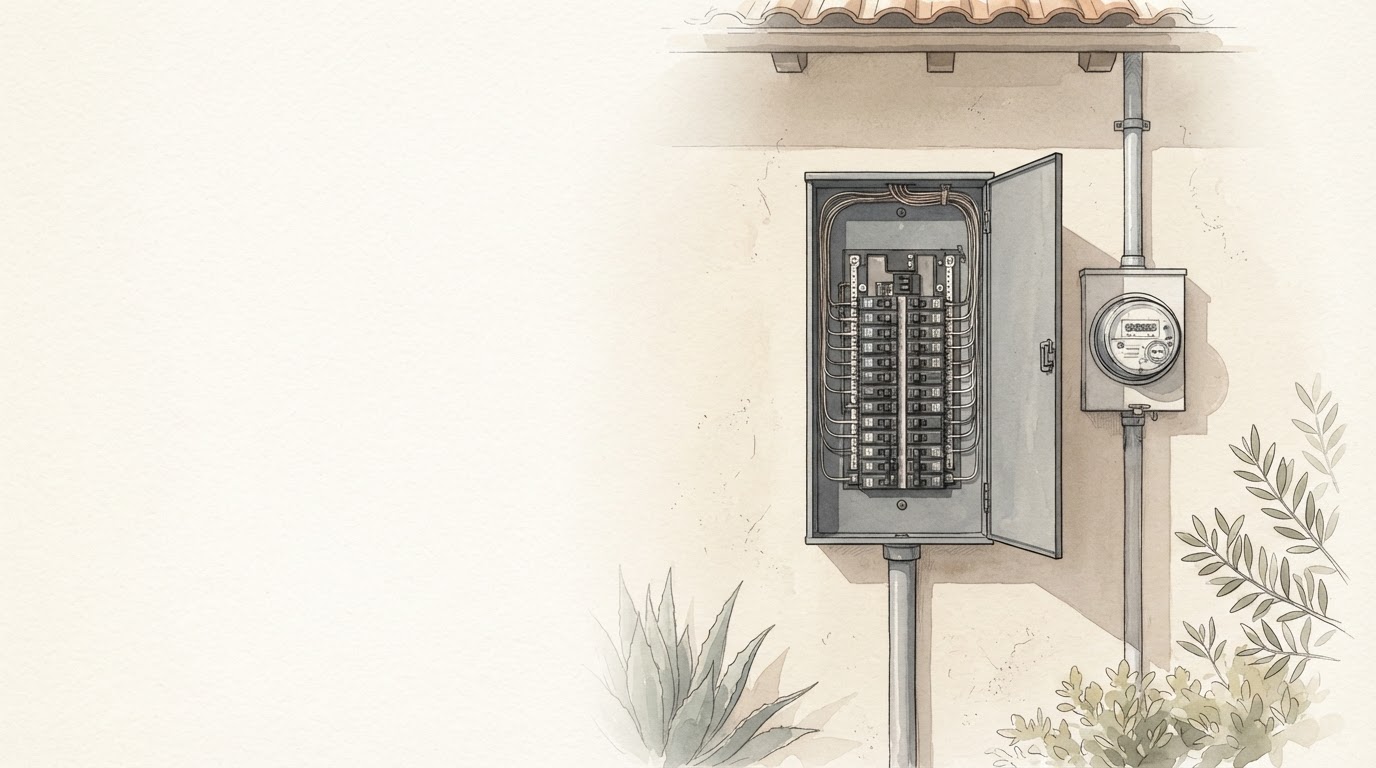
    Electrical Service Panel

    Electrical Service Panel Homeowner Repair Planning Guide

    Understand common electrical findings, learn why electrical deficiencies matter, and explore general Southern California repair-planning information designed to help you care for your home with confidence.

    Back to What We Inspect

    Understanding Your Home's Electrical System

    This guide expands on the Electrical System portion of your inspection report. It's designed to give you a clearer picture of how your home safely distributes electricity and what it takes to maintain or upgrade that system.

    Inspector Note

    Electrical systems should be evaluated by qualified professionals when significant deficiencies are identified. This guide provides helpful context and general planning information—not to suggest that every property requires a complete rewiring.

    Inspection Expertise

    This guide was developed by Alicante Home Inspections to help SoCal homeowners better understand common inspection findings, routine maintenance, and general repair planning for electrical systems.

    Why the Electrical System Matters

    Your electrical system is the heartbeat of your home. Keeping it updated and properly maintained is essential for:

    • Occupant safety and shock prevention
    • Fire prevention and early warning
    • Reliable appliance and HVAC operation
    • Meeting modern electrical demands
    • Supporting future upgrades (like EV charging or solar)
    • Maintaining home value and insurability

    What We Inspect

    During a home inspection, we visually evaluate the readily accessible electrical components that power your home and help keep your family safe.

    Service panel & subpanels
    Breakers & panel labeling
    Grounding & bonding
    Visible branch wiring
    Receptacles & switches
    GFCI & AFCI protection
    Visible electrical defects
    Smoke & Carbon Monoxide alarms
    Representative lighting fixtures

    Common Electrical Findings

    These are some of the most frequent electrical observations we note during Southern California home inspections.

    Electrical Panel Concerns

    We commonly observe missing panel labeling, missing breaker blanks (open knockouts), double-tapped breakers, loose conductors, improper breaker types, or signs of rust and overheating.

    Next Step: Have a licensed electrician evaluate and correct panel defects.

    Branch Wiring Issues

    In older homes, we may find cloth-insulated wiring, aluminum branch wiring, exposed splices, abandoned wiring, or damaged conductors.

    Next Step: Evaluate older or damaged wiring for safety upgrades.

    Receptacles & Devices

    Common findings include reverse polarity, open grounds, damaged or loose receptacles, and missing weather-resistant or tamper-resistant features.

    Next Step: Replace damaged receptacles and correct wiring faults.

    Missing GFCI or AFCI Protection

    Modern safety standards require GFCI protection in wet areas and AFCI protection in living spaces. Older homes often lack these critical life-safety upgrades.

    Next Step: Upgrade receptacles or breakers to add GFCI/AFCI protection.

    Laundry Electrical

    We frequently observe older three-prong dryer receptacles, damaged outlets, signs of overheating, or improper dryer cord connections.

    Next Step: Upgrade to modern four-prong receptacles if required or repair damage.

    Improper Grounding & Bonding

    Proper grounding and bonding ensure rogue electricity has a safe path to the earth. Missing or improper connections are common in older or remodeled homes.

    Next Step: An electrician can upgrade the grounding electrode system.

    Smoke & Carbon Monoxide Alarms

    Life-safety devices are a critical part of the home inspection. We commonly observe missing alarms, improperly located alarms, disconnected units, chirping alarms, alarms that have been painted over, or units that fail testing.

    The 10-Year Service Life

    Many smoke alarms have an expected service life of approximately 10 years. Inspectors frequently observe smoke alarms that have yellowed with age. While yellowing alone does not confirm the exact age, it often indicates long-term aging and plastic degradation.

    Homeowners should verify the manufacturing date printed on the back of the device. We strongly recommend the replacement of any alarms that have exceeded the manufacturer's recommended service life to ensure reliable early warning in an emergency.

    Older Electrical Equipment

    Many older Southern California homes still rely on their original electrical panels. Certain historic brands are widely recognized in the industry as obsolete due to known design flaws or safety concerns.

    Federal Pacific (FPE / Stab-Lok)

    Known for breakers that may fail to trip during an overload, presenting a fire hazard. Replacement is routinely recommended.

    Zinsco

    Known for aluminum bus bars that can corrode and breakers that may melt to the bus bar rather than tripping. Replacement is routinely recommended.

    Pushmatic (Bulldog)

    While generally considered robust for their time, these panels are now obsolete, replacement parts are scarce, and the breakers can become stiff or difficult to operate.

    Challenger

    Certain Challenger panels and breakers have been associated with overheating and were subject to recalls. Evaluation by an electrician is recommended.

    Split-Bus Panels

    These panels lack a single main shutoff breaker. While compliant when installed, modern safety standards prefer a single main disconnect. They are often upgraded during modernization.

    Insurance Considerations

    Some insurance companies may request repairs, upgrades, or additional documentation before issuing or renewing coverage for homes with older electrical equipment or obsolete service panels.

    Underwriting requirements vary significantly between insurance companies. While we do not state that any panel automatically requires replacement solely due to age, modernizing an obsolete panel often improves insurability and provides peace of mind.

    Electric Vehicle Charging

    As EV adoption grows in Southern California, many homeowners are adding dedicated 240-volt receptacles or hardwired EV chargers.

    Installations can originate from the main panel or existing subpanels. A qualified electrician can perform a load calculation to determine if your current panel has the capacity for an EV charger, or if a service upgrade or new subpanel (especially in detached garages requiring trenching) is necessary.

    SoCal Considerations

    Southern California (SoCal) presents unique environmental and lifestyle factors that can impact a home’s electrical system.

    Aging Systems & Heat

    Many mid-century homes in SoCal still use original, obsolete service panels. Combined with intense summer heat that can accelerate wear on exterior panels, these aging systems are often strained by the demands of modern appliances and air conditioning.

    Modern Energy Demands

    SoCal is a leader in electric vehicle adoption, solar installations, and home battery storage systems. Upgrading an older electrical service is frequently required to support these modern technologies safely and efficiently, which is also becoming a key factor in home insurance trends.

    Homeowner Maintenance Tips

    Simple, regular maintenance can help keep your electrical system safe and functional.

    Test GFCI and AFCI devices monthly

    Test smoke and carbon monoxide alarms monthly

    Replace alarm batteries at least once a year (if applicable)

    Keep the electrical panel easily accessible (36-inch clearance)

    Clearly label all circuits in the panel

    Avoid overloading receptacles with multiple power strips

    Inspect extension cords and avoid using them permanently

    Schedule periodic evaluations of older systems by an electrician

    Southern California Repair Planning

    General planning ranges to help you budget for routine electrical maintenance, repairs, and upgrades.

    Important Pricing Disclaimer

    This information is provided only as a helpful general planning guide. The figures shown are broad Southern California planning ranges and are not final prices, contractor quotations, appraisals, or bids. This guide is not intended to be used for bidding, negotiating, or authorizing repair work. Actual costs may vary substantially based on the property, location, accessibility, repair scope, labor, materials, permits, disposal requirements, equipment selection, and current market conditions. Before authorizing work or making financial decisions, obtain at least three written bids from properly licensed contractors who have personally evaluated the property.

    Repair ItemTypical Planning Range
    Replace standard breakerAbout $125–$250
    Replace GFCI breakerAbout $175–$350
    Replace AFCI breakerAbout $175–$350
    Install breaker blank (knockout cover)About $75–$150
    Install panel labelingAbout $100–$250
    Replace damaged receptacleAbout $125–$250
    Install GFCI receptacleAbout $150–$300
    Install AFCI protection (receptacle)About $150–$300
    Install weather-resistant receptacleAbout $150–$300
    Install tamper-resistant receptacleAbout $125–$250
    Replace dryer receptacleAbout $150–$350
    Install new four-wire dryer circuitAbout $400–$1,200+

    Note: Costs vary based on wire routing, accessibility, drywall repair, and permit requirements.

    Larger Projects Vary by Property

    Larger projects can vary significantly based on the size of the home, materials, access, permits, and the amount of preparation required. When your inspection identifies a larger project, obtaining property-specific estimates from qualified contractors is the best way to plan accurately.

    Whole-home rewiring200-amp service upgradeNew subpanel installationObsolete panel replacementTrenching for EV chargingExtensive drywall repair

    What Influences Planning Ranges?

    Several factors can affect the final cost of an electrical repair or upgrade project.

    Panel capacity
    Accessibility (attic/crawlspace)
    Drywall patching needed
    Existing wiring safety
    Utility coordination
    Labor conditions
    Permit requirements
    Trenching requirements

    Repair or Monitor?

    Your inspection report provides recommendations based on the conditions visible at the time of inspection. While many cosmetic items can be monitored, electrical defects often require prompt attention.

    Monitor and Maintain

    • Missing panel labeling (update when possible)
    • Minor cosmetic wear on cover plates
    • Older but functional standard receptacles
    • Smoke alarms that are functional and under 10 years old
    • Older panels that have been evaluated as safe by an electrician

    Plan for Repair

    • Missing GFCI or AFCI protection
    • Reverse polarity or open grounds
    • Double-tapped breakers
    • Exposed wiring or splices
    • Missing or aging smoke/CO alarms
    • Obsolete panels recommended for replacement
    • Signs of overheating or arcing

    Electrical Improvement Ideas

    Looking beyond repairs, here are popular ways homeowners enhance their electrical systems.

    Smart home switches
    EV charging station
    USB wall receptacles
    Whole-house surge protection
    Upgraded landscape lighting
    Recessed LED lighting
    Smart thermostats
    Backup generator connection

    Questions to Ask an Electrician

    Is my current service panel adequate?

    Are permits required for this upgrade?

    Will this require drywall removal or patching?

    Does the estimate include utility coordination?

    Are GFCI/AFCI upgrades required by local code?

    Is a load calculation included for an EV charger?

    Will trenching be necessary?

    Are materials and labor fully included?

    What warranty is provided?

    What a Home Inspection Does Not Determine

    A standard visual home inspection is designed to identify visible material defects and safety concerns. It does not determine:

    Hidden wiring conditions behind walls

    Wiring behind finished surfaces

    Future equipment failure

    Complete code compliance

    Total utility capacity

    Exact remaining service life of panels

    Internal breaker performance under load

    Additional evaluation by a qualified licensed electrician may be recommended when visible conditions warrant further investigation.

    Frequently Asked Questions

    Common questions homeowners and buyers ask about electrical inspections and maintenance.

    A Ground Fault Circuit Interrupter (GFCI) is a safety device designed to protect people from electrical shock, particularly in areas where water is present, such as kitchens, bathrooms, garages, and exteriors. It quickly shuts off power if it detects a ground fault.

    Need a Professional Home Inspection?

    Every property is different. A professional inspection provides property-specific observations, high-quality photographs, and clear recommendations to help you make informed decisions about your electrical system and more.

    Schedule an Inspection

    This guide is provided for general educational and planning purposes only. Planning ranges are approximate and are not contractor quotations, guarantees, or estimates for a specific property. Actual pricing varies based on the home, project scope, materials, labor, permits, accessibility, and contractor. Consult qualified professionals for property-specific recommendations and estimates.

    A
    Alicante Home Inspections

    Are you sure you want to start a new chat?

    Hi there! My name is Jenny how can I help today?
    8:04 PM
    Chat with us