
Alicante Home Inspections
    Bright Southern California Home
    Water Heater

    Water Heater Homeowner Repair Planning Guide

    Understand common water heater findings, learn why routine maintenance matters, and explore general Southern California repair-planning ranges to help you budget with confidence.

    Understanding Your Water Heater

    The water heater provides reliable hot water for everyday living. Routine maintenance and timely replacement planning can help reduce unexpected failures, improve efficiency, protect your plumbing system, and protect your home from significant water damage.

    Inspector Note

    Most water heater observations found during a home inspection relate to age, deferred maintenance, or missing safety features. This guide is intended to provide helpful context and general planning information—not to suggest that every property has these conditions.

    Inspection Expertise

    This guide was developed by Alicante Home Inspections to help SoCal homeowners better understand common inspection findings, routine maintenance, and general repair planning for water heating systems.

    What We Inspect

    During a home inspection, we visually evaluate the readily accessible components of the water heating system to assess its installation, condition, and safety features.

    Tank condition and age
    Visible leaks and corrosion
    Seismic strapping
    TPR valve and discharge piping
    Shutoff valves and connectors
    Venting (gas units)
    Electrical connections (electric units)
    Expansion tank (where present)
    Drain pan (where applicable)

    Common Inspection Findings

    These are some of the most frequent observations we note during Southern California home inspections.

    Traditional Tank Water Heaters

    We commonly observe tanks nearing the end of their expected 8-12 year service life, visible leaks, rust, and sediment buildup causing gurgling or popping sounds.

    Next Step: Monitor aging units closely and plan for replacement before a catastrophic leak occurs.

    Water Heater Flushing

    Sediment buildup reduces efficiency and accelerates tank failure. Many homeowners never flush their water heater, even though it is one of the simplest maintenance tasks that may help extend service life.

    Next Step: Flush the tank annually according to the manufacturer's recommendations.

    Tankless Water Heaters

    While tankless systems eliminate stored hot water, they still require periodic maintenance. Mineral buildup inside the heat exchanger can severely restrict flow and reduce efficiency.

    Next Step: Schedule annual descaling and ensure isolation valves are installed for easy maintenance.

    TPR Valve & Discharge Pipe

    The Temperature and Pressure Relief (TPR) valve is a critical safety device. We often find missing, improper, or damaged discharge pipes, which can create a scalding hazard if the valve opens.

    Next Step: Install a proper full-size discharge pipe terminating in a safe, visible location.

    Earthquake Strapping

    Properly manufactured seismic restraint kits are designed specifically for water heaters. Perforated metal plumber's tape is not intended to serve as a substitute for a proper seismic restraint system.

    Next Step: Install approved upper and lower seismic straps securely anchored to the framing.

    Expansion Tanks

    Expansion tanks absorb pressure created as water heats. Many newer installations include them, while many older homes do not. The absence of an expansion tank alone does not necessarily indicate a defect.

    Next Step: Discuss whether an expansion tank is appropriate with your licensed plumber during replacement.

    Combustible Storage

    Cardboard, paint, gasoline, cleaning supplies, and storage boxes are frequently found too close to the water heater (often located in the <Link to="/repair-planning-guides/garage/" className="text-accent hover:underline">garage</Link>), creating a serious fire hazard—especially near gas-fired units.

    Next Step: Maintain clear working space and remove all combustible materials from the area.

    Water Supply Shutoff Valve

    We often observe missing, heavily corroded, or difficult-to-operate cold-water shutoff valves. A functional valve is essential for maintenance and stopping water flow during an emergency.

    Next Step: Have a qualified plumber replace corroded or seized shutoff valves.

    Water Temperature

    Many manufacturers and safety organizations reference approximately 120°F as a common residential setting. Higher temperatures may increase energy use and significantly increase the risk of scald injuries, particularly for children, older adults, and individuals with sensitive skin.

    Next Step: Homeowners should follow manufacturer recommendations and consult qualified professionals before making temperature adjustments.

    Why Water Heater Maintenance Matters

    Staying proactive with your water heating system is one of the most cost-effective ways to protect your home. Routine upkeep helps:

    • Ensure reliable hot water for daily living
    • Maintain optimal energy efficiency
    • Prevent catastrophic tank ruptures and flooding
    • Extend the service life of the equipment
    • Ensure safety devices operate correctly
    • Protect the home from fire hazards
    • Reduce the likelihood of emergency replacement costs
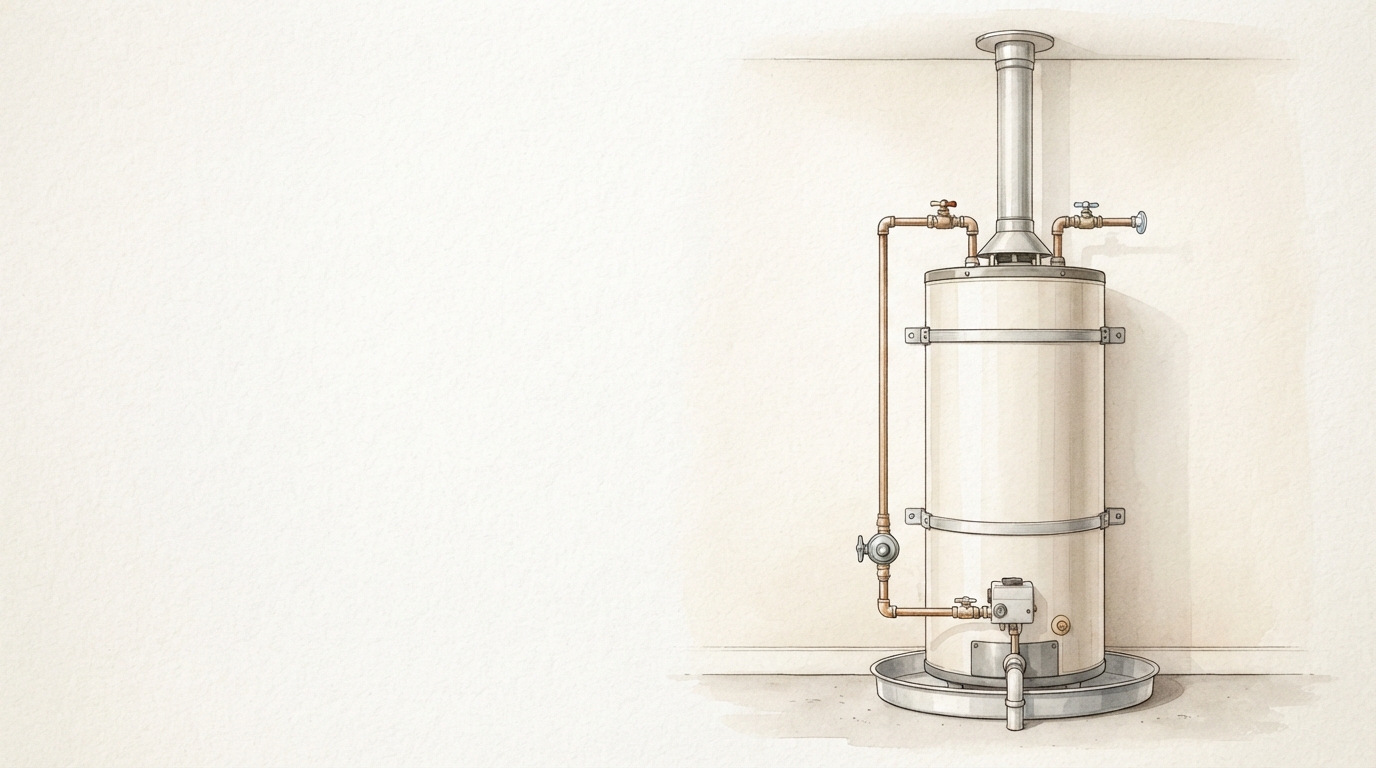
    Well maintained water heater installation

    SoCal Considerations

    Southern California (SoCal) presents unique environmental factors that can significantly impact a home’s plumbing and water heating systems over time.

    Hard Water and Mineral Buildup

    SoCal is known for having hard water, which accelerates mineral and sediment buildup inside water heaters. This makes annual flushing for tank units and descaling for tankless systems especially important to maintain efficiency and prevent premature failure.

    Seismic Activity

    Due to the constant risk of earthquakes, proper seismic strapping is not just a recommendation—it is a critical safety requirement. A water heater that tips over can sever gas lines and water pipes, leading to severe fire and flood damage.

    Homeowner Maintenance Tips

    Simple, regular maintenance can significantly extend the life of your water heating equipment.

    Inspect the area for visible leaks regularly

    Flush traditional tank water heaters periodically

    Descale tankless systems according to manufacturer recommendations

    Inspect seismic straps for secure attachment

    Keep all combustible materials away from the unit

    Monitor fittings and valves for corrosion

    Know the installation date to plan for replacement

    Keep the area around the water heater clear and accessible

    Southern California Repair Planning

    General planning ranges to help you budget for routine maintenance, safety upgrades, and system replacement.

    Important Pricing Disclaimer

    This information is provided only as a helpful general planning guide. The figures shown are broad Southern California planning ranges and are not final prices, contractor quotations, appraisals, or bids. This guide is not intended to be used for bidding, negotiating, or authorizing repair work. Actual costs may vary substantially based on the property, location, accessibility, repair scope, labor, materials, permits, disposal requirements, product selection, and current market conditions. Before authorizing work or making financial decisions, obtain at least three written bids from properly licensed contractors who have personally evaluated the property.

    Repair ItemTypical Planning Range
    Flush tank water heaterAbout $150–$300
    Flush/descale tankless water heaterAbout $200–$400
    Replace anode rodAbout $200–$450
    Replace expansion tankAbout $250–$550

    Larger Projects Vary by Property

    Larger projects can vary significantly based on the size of the home, materials, access, permits, and the amount of preparation required. When your inspection identifies a larger project, obtaining property-specific estimates from qualified contractors is the best way to plan accurately.

    Tankless conversionHybrid heat pump upgradeRelocating the water heaterMajor gas line sizing upgradesSignificant venting modifications

    What Influences Planning Ranges?

    Several factors can affect the final cost of a water heater repair or replacement project.

    Project size
    Accessibility
    Material selection
    Existing damage
    Preparation work
    Labor conditions
    Permit requirements
    Cleanup and disposal

    Repair or Monitor?

    Your inspection report provides recommendations based on the conditions visible at the time of inspection. Not every observation requires immediate action.

    Monitor and Maintain

    • Minor surface rust on the outer casing
    • A tank nearing the end of its expected life but functioning normally
    • Slight popping sounds during heating (sediment)
    • Minor cosmetic dents or scratches on the unit
    • Routine flushing and descaling schedules

    Plan for Repair

    • Active leaks from the tank or connections
    • Missing or loose earthquake straps
    • Missing or improper TPR discharge pipe
    • Heavy corrosion on valves or fittings
    • Improper venting of gas appliances
    • Conditions specifically identified for repair in the inspection report

    Water Heater Improvement Ideas

    Looking beyond repairs, here are popular ways homeowners enhance their water heating systems.

    Tankless conversion
    Hot water recirculation
    Hybrid heat pump upgrade
    Smart leak detectors
    New shutoff valves
    Expansion tank addition
    Upgraded pipe insulation
    Improved venting

    Questions to Ask a Contractor

    What is causing the condition?

    Is a localized repair appropriate?

    Is full replacement necessary?

    Are permits required?

    Could concealed damage affect the estimate?

    What materials are included?

    Does the estimate include preparation?

    Does the estimate include cleanup and disposal?

    What warranty is provided?

    What a Home Inspection Does Not Determine

    A standard visual home inspection is designed to identify visible material defects and safety concerns. It does not determine:

    The exact remaining service life of the unit

    Internal tank condition or sediment depth

    Future equipment failure

    Hidden plumbing conditions behind walls

    Complete code compliance

    Manufacturer warranty status

    Additional evaluation by a qualified specialist (such as a licensed plumbing contractor) may be recommended when visible conditions warrant further investigation.

    Frequently Asked Questions

    Common questions homeowners and buyers ask about water heater inspections and maintenance.

    A traditional tank water heater typically lasts 8 to 12 years, depending on the water quality, maintenance history, and installation quality. Tankless water heaters can often last 15 to 20 years with proper annual descaling and maintenance.

    Need a Professional Home Inspection?

    Every property is different. A professional inspection provides property-specific observations, high-quality photographs, and clear recommendations to help you make informed decisions.

    Schedule an Inspection

    This guide is provided for general educational and planning purposes only. Planning ranges are approximate and are not contractor quotations, guarantees, or estimates for a specific property. Actual pricing varies based on the home, project scope, materials, labor, permits, accessibility, and contractor. Consult qualified professionals for property-specific recommendations and estimates.

    A
    Alicante Home Inspections

    Are you sure you want to start a new chat?

    Hi there! My name is Jenny how can I help today?
    12:01 AM
    Chat with us