
Alicante Home Inspections
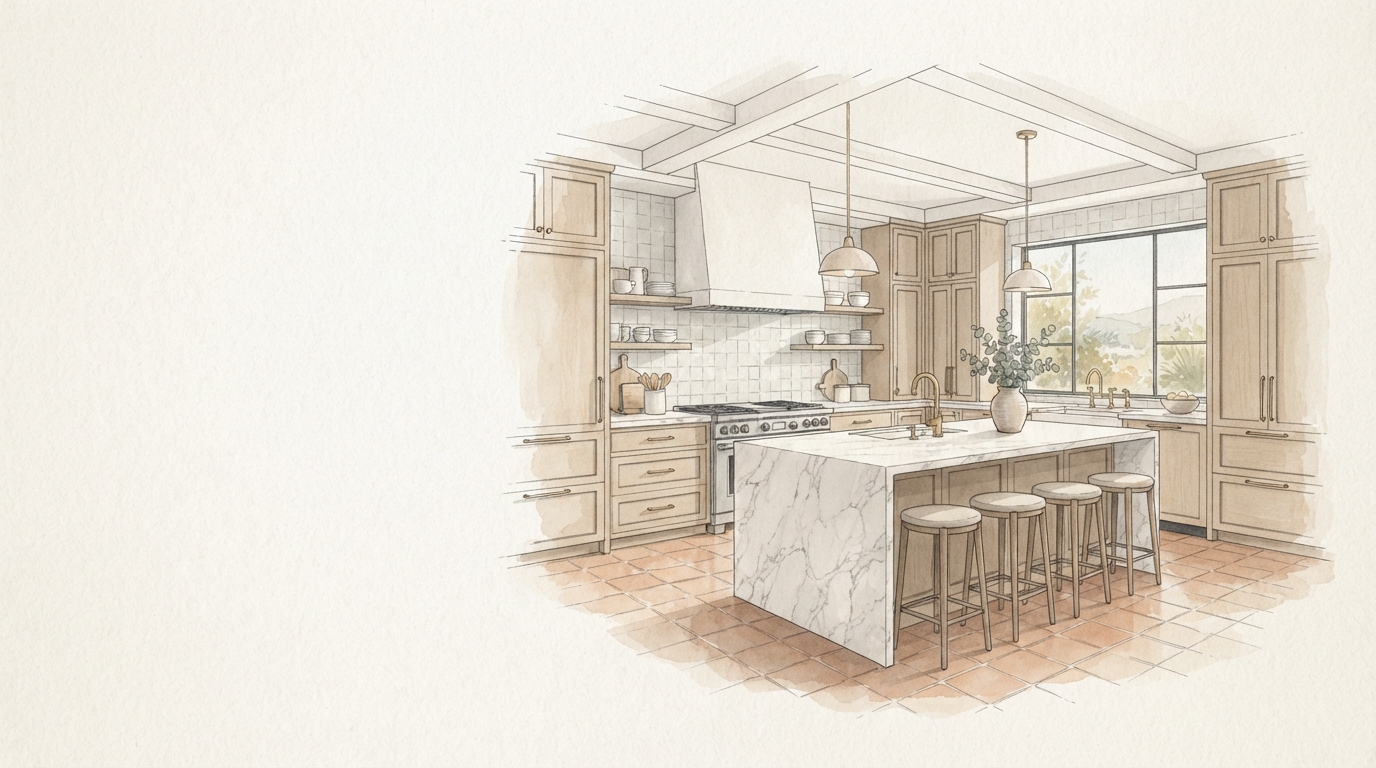
    Bright Southern California Home Kitchen
    Kitchen

    Kitchen Homeowner Repair Planning Guide

    Understand common kitchen findings, learn about routine maintenance, and explore general Southern California repair-planning information designed to help you care for your home with confidence.

    Understanding Your Home's Kitchen

    This guide expands on the Kitchen portion of your inspection report. As one of the most frequently used rooms in the home, routine maintenance and attention to plumbing, electrical, cabinetry, appliances, and finishes can help preserve functionality and reduce costly repairs.

    Inspector Note

    Most kitchen observations found during a home inspection are routine maintenance items or localized repairs resulting from daily use. This guide is intended to provide helpful context and general planning information—not to suggest that every property requires a complete kitchen remodel.

    Inspection Expertise

    This guide was developed by Alicante Home Inspections to help SoCal homeowners better understand common inspection findings, routine maintenance, and general repair planning for kitchens.

    Why the Kitchen Matters

    The kitchen is a hub of daily household use. Proper maintenance of its systems is essential for:

    • Safe food preparation
    • Reliable appliance operation
    • Electrical safety near water sources
    • Effective moisture and water management
    • Preserving cabinetry and countertops
    • Maintaining property value

    What We Inspect

    A home inspection includes a visual inspection of readily accessible kitchen components using normal operating controls when conditions permit. We do not dismantle appliances, remove personal belongings, reconnect unplugged appliances, or perform exhaustive performance testing.

    Sink, faucet & drainage
    Garbage disposal
    Dishwasher
    Built-in oven & cooktop
    Microwave
    Hood vent
    GFCI protection & accessible electrical
    Cabinets & countertops
    Flooring
    Lighting
    Visible plumbing

    Common Kitchen Findings

    These are some of the most frequent kitchen observations we note during Southern California home inspections.

    GFCI Protection

    We commonly observe missing, inoperative, or tripped GFCIs. Ground Fault Circuit Interrupter protection is an important safety feature for receptacles located near water sources.

    Next Step: Test using TEST and RESET buttons, and replace faulty receptacles.

    Kitchen Faucet & Sink

    Findings often include loose faucets, worn handles, dripping fixtures, hot/cold reversed, slow drains, drain leaks, or moisture damage below the sink.

    Next Step: Tighten loose fixtures and repair active leaks promptly.

    Garbage Disposal

    We may note a disposal not operating, a tripped reset button, leaks, loose mounting, excessive vibration, or unusual noises. Note: If unplugged, inspectors generally do not reconnect it as the reason is unknown.

    Next Step: Clear jams, reset the unit, or replace if defective.

    Dishwasher

    Inspectors test dishwashers using normal operating controls when safely accessible. We do not unload dishes or reconnect disconnected appliances.

    Next Step: Ensure the unit is empty and connected prior to inspection if testing is desired.

    Built-In Ovens, Cooktops & Microwaves

    We test using normal operating controls. We often note heavy grease buildup, dirty interiors, or general maintenance needs. We do not clean or prepare appliances for testing.

    Next Step: Maintain and clean appliances regularly for safe operation.

    Hood Vent

    Common findings include dirty grease filters, inoperative fans or lights, and excessive grease buildup. Routine cleaning helps maintain proper airflow.

    Next Step: Clean or replace grease filters periodically.

    Kitchen Lighting

    We check ceiling, recessed, and under-cabinet lighting. We commonly find burned-out bulbs, loose or damaged fixtures, and cracked diffuser panels.

    Next Step: Replace bulbs and secure loose fixtures.

    Cabinets & Countertops

    Observations include loose hardware, cabinet alignment issues, water damage (swollen bottoms), worn finishes, cosmetic scratches, chips, and countertop seam conditions.

    Next Step: Adjust hinges and monitor for signs of moisture.

    Kitchen Flooring

    We look for normal wear, scratches, cracked or loose tile, water damage near the sink or dishwasher, soft areas, and cosmetic aging.

    Next Step: Monitor areas near water sources for moisture damage.

    Caulking & Sealants

    We frequently find cracked, missing, or separated caulking at the sink perimeter, countertop joints, and backsplash.

    Next Step: Remove old sealant and recaulk to prevent moisture intrusion.

    Normal Wear & Tear

    Kitchens naturally experience cosmetic aging due to everyday use. Minor scratches, worn cabinet finishes, aging hardware, small cosmetic imperfections, older appliances, and minor countertop wear are often considered normal for the age of the kitchen. They may not be individually documented unless they affect function, safety, or indicate damage beyond ordinary wear.

    Inspection Perspective

    A home inspection is intended to identify significant deficiencies, safety concerns, functional issues, and maintenance items. It is not intended to create a punch list of every cosmetic imperfection.

    Older kitchens commonly exhibit normal wear consistent with years of use. This distinction helps homeowners focus on what truly matters for the safety and function of the home.

    Homeowner Maintenance Tips

    Simple, regular maintenance can significantly extend the life of your kitchen components.

    Inspect under the sink periodically for leaks

    Replace deteriorated caulking at the sink and backsplash

    Test GFCIs monthly using TEST and RESET buttons

    Tighten loose faucets before leaks develop

    Clean faucet aerators to maintain water pressure

    Clean hood grease filters regularly

    Monitor cabinet interiors for signs of moisture

    Keep appliances clean and well maintained

    Southern California Repair Planning

    General planning ranges to help you budget for routine kitchen maintenance and localized repairs.

    Important Pricing Disclaimer

    This information is provided only as a helpful general planning guide. The figures shown are broad Southern California planning ranges and are not final prices, contractor quotations, appraisals, or bids. This guide is not intended to be used for bidding, negotiating, or authorizing repair work. Actual costs may vary substantially based on the property, location, accessibility, repair scope, labor, materials, permits, disposal requirements, product selection, and current market conditions. Before authorizing work or making financial decisions, obtain at least three written bids from properly licensed contractors who have personally evaluated the property.

    Repair ItemTypical Planning Range
    Recaulk sink or backsplashAbout $100–$250
    Tighten loose faucetAbout $75–$150
    Replace faucet handles/cartridgeAbout $100–$250
    Replace kitchen faucet (standard)About $200–$500
    Replace basket strainerAbout $150–$300
    Minor drain repair (P-trap)About $150–$350

    Larger Projects Vary by Property

    Larger projects can vary significantly based on the size of the home, materials, access, permits, and the amount of preparation required. When your inspection identifies a larger project, obtaining property-specific estimates from qualified contractors is the best way to plan accurately.

    Complete kitchen remodelCustom cabinetry installationNatural stone countertop replacementMajor appliance suite upgradeExtensive plumbing relocationElectrical panel upgrade for new appliances

    What Influences Planning Ranges?

    Several factors can affect the final cost of a kitchen repair or improvement project.

    Project size
    Accessibility
    Material selection
    Existing damage
    Preparation work
    Labor conditions
    Permit requirements
    Cleanup and disposal

    SoCal Considerations

    Southern California presents unique environmental and housing factors that can impact kitchen maintenance and upgrades.

    Hard Water & Fixtures

    Hard water is common in SoCal, leading to mineral buildup on faucets, aerators, and inside dishwashers. Routine cleaning and maintenance, or the installation of water softening systems, can help preserve fixture life. Water conservation fixtures are also standard.

    Aging Kitchens

    Many homes built during the 1970s–1990s feature original kitchen layouts and materials. These kitchens often require routine maintenance due to heavy daily use, and homeowners frequently plan for eventual upgrades to quartz or natural stone countertops and modern appliances.

    Repair or Monitor?

    Your inspection report provides recommendations based on the conditions visible at the time of inspection. Not every observation requires immediate action.

    Monitor and Maintain

    • Minor cosmetic scratches on countertops
    • Worn cabinet finishes
    • Aging but functional appliances
    • Small areas of deteriorated caulking (plan to replace)
    • Slightly slow drains (clean routinely)

    Plan for Repair

    • Active plumbing leaks under the sink
    • Missing or inoperative GFCI protection
    • Inoperative appliances
    • Significant water damage to cabinetry
    • Conditions specifically identified for repair in the inspection report

    What a Home Inspection Does Not Determine

    A standard visual home inspection is designed to identify visible material defects and safety concerns. It does not determine:

    Remaining appliance life

    Hidden plumbing leaks behind walls

    Manufacturer warranties

    Future appliance failures

    Cosmetic preferences

    Every cosmetic imperfection

    Additional evaluation by a qualified specialist may be recommended when visible conditions warrant further investigation.

    Frequently Asked Questions

    Common questions homeowners and buyers ask about kitchen inspections and maintenance.

    A home inspection is intended to identify significant deficiencies, safety concerns, functional issues, and maintenance items. It is not intended to create a punch list of every cosmetic imperfection or minor scratch.

    Need a Professional Home Inspection?

    Every property is different. A professional inspection provides property-specific observations, high-quality photographs, and clear recommendations to help you make informed decisions.

    Schedule an Inspection

    This guide is provided for general educational and planning purposes only. Planning ranges are approximate and are not contractor quotations, guarantees, or estimates for a specific property. Actual pricing varies based on the home, project scope, materials, labor, permits, accessibility, and contractor. Consult qualified professionals for property-specific recommendations and estimates.

    A
    Alicante Home Inspections

    Are you sure you want to start a new chat?

    Hi there! My name is Jenny how can I help today?
    12:01 AM
    Chat with us