
Alicante Home Inspections
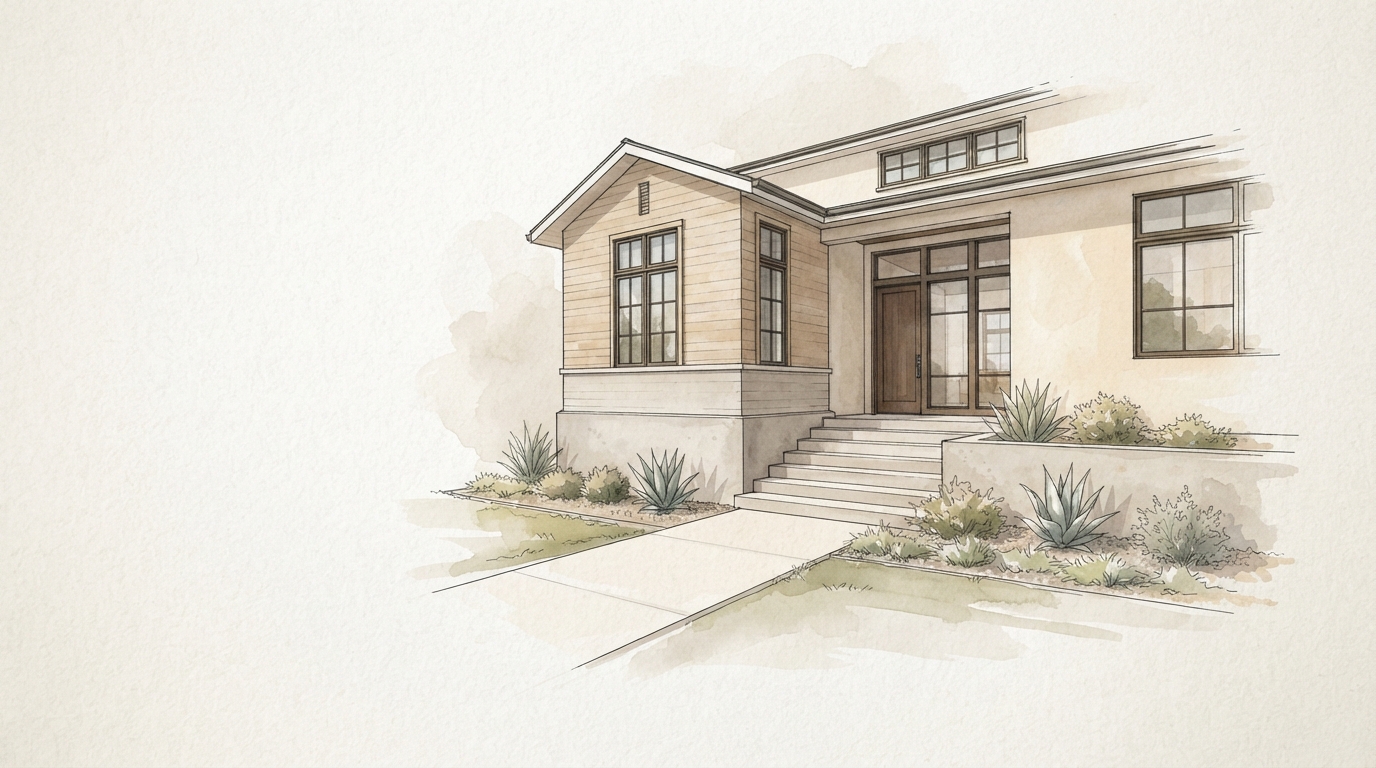
    Bright Southern California Home Exterior
    Exterior • Foundation & Grounds

    Exterior, Foundation & Grounds Homeowner Repair Planning Guide

    Understand common inspection findings, learn about routine maintenance, and explore general Southern California repair-planning information designed to help you care for your home with confidence.

    Back to What We Inspect

    Understanding Your Home's Exterior

    This guide expands on the Exterior, Foundation & Grounds portion of your inspection report. It's designed to give you a clearer picture of how your home protects itself from the elements and what it takes to maintain that protection.

    Inspector Note

    Most exterior observations found during a home inspection are routine maintenance items or localized repairs. This guide is intended to provide helpful context and general planning information—not to suggest that every property has these conditions.

    Inspection Expertise

    This guide was developed by Alicante Home Inspections to help SoCal homeowners better understand common inspection findings, routine maintenance, and general repair planning.

    What We Inspect

    During a home inspection, we visually evaluate the readily accessible exterior components that protect your home and manage water away from the foundation.

    Exterior wall coverings
    Stucco and siding
    Paint and protective finishes
    Fascia and trim
    Exterior doors and windows
    Visible foundation areas
    Grading and drainage
    Retaining walls
    Vegetation near the structure
    Walkways & Driveways
    Patios & Steps
    Decks & Railings

    Common Inspection Findings

    These are some of the most frequent observations we note during Southern California home inspections.

    Minor Stucco Cracking

    Hairline cracks are common as homes settle. They are typically sealed to prevent moisture intrusion during routine exterior painting.

    Next Step: Monitor and seal prior to painting.

    Worn or Failed Sealants

    Sealants around windows, doors, and exterior penetrations dry out over time from UV exposure. Sealant deterioration is a common source of moisture intrusion.

    Next Step: Remove old sealant and re-caulk to prevent moisture entry.

    Peeling or Weathered Paint

    Paint is the home's first line of defense. When it peels or fades, the underlying materials are exposed to the elements.

    Next Step: Scrape, prime, and touch up affected areas.

    Vegetation Touching the Structure

    Trees and shrubs in contact with walls or roofs can trap moisture, damage finishes, and provide pathways for pests.

    Next Step: Trim vegetation to maintain clearance.

    Minor Concrete Cracking

    Concrete naturally cracks over time. Small cracks are generally cosmetic, while larger ones may present trip hazards.

    Next Step: Seal cracks to prevent water intrusion; grind or replace trip hazards.

    Drainage Concerns

    Soil that slopes toward the foundation (negative grading) can allow water to pool, potentially leading to moisture intrusion, hydrostatic pressure, or foundation movement. Ensuring positive drainage away from the structure is critical.

    Next Step: Adjust grading or add area drains to establish positive drainage.

    Why These Findings Matter

    Staying proactive with exterior maintenance is one of the most cost-effective ways to protect your home. Routine upkeep helps:

    • Reduce moisture intrusion
    • Slow material deterioration
    • Improve drainage away from the foundation
    • Maintain safe walking surfaces
    • Preserve exterior finishes
    • Protect curb appeal
    • Reduce the likelihood of larger repairs later
    Well maintained home exterior

    SoCal Considerations

    Southern California (SoCal) presents unique environmental factors that can significantly impact a home’s exterior and foundation over time.

    Sun, Heat, and Coastal Air

    Intense, year-round UV exposure accelerates the deterioration of exterior paint, sealants, and roofing materials. In coastal environments, salt-air corrosion commonly affects exterior metal hardware, HVAC condensers, and flashing.

    Soil and Seismic Activity

    Expansive clay soils are common throughout SoCal. These soils swell during seasonal heavy rainfall and shrink during prolonged dry periods, which can lead to foundation movement, concrete cracking, and stucco damage. Routine maintenance of grading and positive drainage is essential to minimize these effects.

    Homeowner Maintenance Tips

    Simple, regular maintenance can significantly extend the life of your home's exterior components.

    Inspect exterior caulking annually

    Touch up peeling or exposed paint

    Seal small stucco cracks when appropriate

    Trim vegetation away from walls and roof edges

    Keep drains and drainage paths clear

    Monitor concrete cracks and uneven surfaces

    Check decks, stairs, and railings periodically

    Maintain proper clearance between soil and exterior finishes

    Keep irrigation directed away from the building

    Southern California Repair Planning

    General planning ranges to help you budget for routine exterior maintenance and localized repairs.

    Important Pricing Disclaimer

    This information is provided only as a helpful general planning guide. The figures shown are broad Southern California planning ranges and are not final prices, contractor quotations, appraisals, or bids. This guide is not intended to be used for bidding, negotiating, or authorizing repair work. Actual costs may vary substantially based on the property, location, accessibility, repair scope, labor, materials, permits, disposal requirements, product selection, and current market conditions. Before authorizing work or making financial decisions, obtain at least three written bids from properly licensed contractors who have personally evaluated the property.

    Repair ItemTypical Planning Range
    Exterior caulking touch-upsAbout $150–$500
    Minor stucco crack repairsAbout $250–$1,000
    Small localized stucco patchAbout $400–$1,500
    Seal small exterior wall penetrationsAbout $150–$600
    Small fascia or exterior trim repairsAbout $300–$1,500
    Localized dry-rot trim repairAbout $400–$1,800
    Exterior paint touch-upsAbout $200–$800
    Bare or weathered wood sealingAbout $250–$900
    Minor siding repair or reattachmentAbout $300–$1,500
    Loose exterior trim reattachmentAbout $200–$750
    Small exterior finish or coating repairAbout $300–$1,200

    Larger Projects Vary by Property

    Larger projects can vary significantly based on the size of the home, materials, access, permits, and the amount of preparation required. When your inspection identifies a larger project, obtaining property-specific estimates from qualified contractors is the best way to plan accurately.

    Full exterior repaintingRoof replacementExtensive stucco restorationLarger drainage improvementsDriveway or patio replacementMajor deck workLarge tree removalStructural or foundation repairsExtensive termite or dry-rot repairsMajor electrical upgrades

    What Influences Planning Ranges?

    Several factors can affect the final cost of an exterior repair or improvement project.

    Project size
    Accessibility
    Material selection
    Existing damage
    Preparation work
    Labor conditions
    Permit requirements
    Cleanup and disposal

    Repair or Monitor?

    Your inspection report provides recommendations based on the conditions visible at the time of inspection. Not every exterior observation requires immediate action.

    Monitor and Maintain

    • Small stable cracks
    • Early paint wear
    • Minor sealant deterioration
    • Vegetation that needs routine trimming
    • Small cosmetic concrete cracks

    Plan for Repair

    • Active moisture entry
    • Loose railings
    • Significant trip hazards
    • Progressing wood deterioration
    • Drainage that directs water toward the home
    • Conditions specifically identified for repair in the inspection report

    Exterior Improvement Ideas

    Looking beyond repairs, here are popular ways homeowners enhance their exterior spaces.

    Fresh exterior paint
    Updated exterior lighting
    Improved drainage
    New walkways
    Updated fencing
    Low-maintenance landscaping
    Water-efficient irrigation
    Refreshed patio areas

    Questions to Ask a Contractor

    What is causing the condition?

    Is a localized repair appropriate?

    Is full replacement necessary?

    Are permits required?

    Could concealed damage affect the estimate?

    What materials are included?

    Does the estimate include preparation?

    Does the estimate include cleanup and disposal?

    What warranty is provided?

    What a Home Inspection Does Not Determine

    A standard visual home inspection is designed to identify visible material defects and safety concerns. It does not determine:

    Concealed conditions behind walls or finishes

    Structural engineering adequacy

    Soil or geological conditions

    Underground utilities or drainage systems

    Hidden moisture behind finished surfaces

    The future performance of materials or systems

    Additional evaluation by a qualified specialist (such as a structural engineer, geotechnical engineer, or specialized contractor) may be recommended when visible conditions warrant further investigation.

    Frequently Asked Questions

    Common questions homeowners and buyers ask about exterior inspections and maintenance.

    An exterior home inspection visually evaluates readily accessible components such as stucco, siding, paint, trim, visible foundation areas, grading, drainage, exterior doors, windows, and decks. We look for conditions that could allow moisture intrusion or accelerate wear.

    Need a Professional Home Inspection?

    Every property is different. A professional inspection provides property-specific observations, high-quality photographs, and clear recommendations to help you make informed decisions.

    Schedule an Inspection

    This guide is provided for general educational and planning purposes only. Planning ranges are approximate and are not contractor quotations, guarantees, or estimates for a specific property. Actual pricing varies based on the home, project scope, materials, labor, permits, accessibility, and contractor. Consult qualified professionals for property-specific recommendations and estimates.

    A
    Alicante Home Inspections

    Are you sure you want to start a new chat?

    Hi there! My name is Jenny how can I help today?
    5:44 PM
    Chat with us